There is almost no excuse these days for not installing a Vintage Air A/C kit in your classic car or truck. If you’re one of the few who enjoys “roughing it like the good old days” then, sure, modern A/C isn’t for you. As for everyone else, having ice-cold air blowing on your noggin during the peak of summer is a must.
Luckily, installing modern air conditioning in your classic is getting easier by the year. Thanks to companies like Vintage Air Inc., you can usually get a complete A/C kit made to fit your specific vehicle. That is especially true if you’re driving a more popular platform like a Nova, Chevelle, Mustang, C10, etc.
Even when a direct-fit kit isn’t available for your application, there are a host of universal A/C systems out there. But, that’s a story for another day.
In our case, we are installing a Gen IV SureFit Vintage Air A/C kit on our 1967 Nova. Luckily, we planned ahead and made sure we had an A/C compressor on the front of our LS3 when it was installed. All we had to do was order up a 1966 to 1967 Chevrolet Nova SureFit Complete Kit. Using some basic mechanical know-how and equipped with the complete instruction manual from Vintage Air, we got to work.
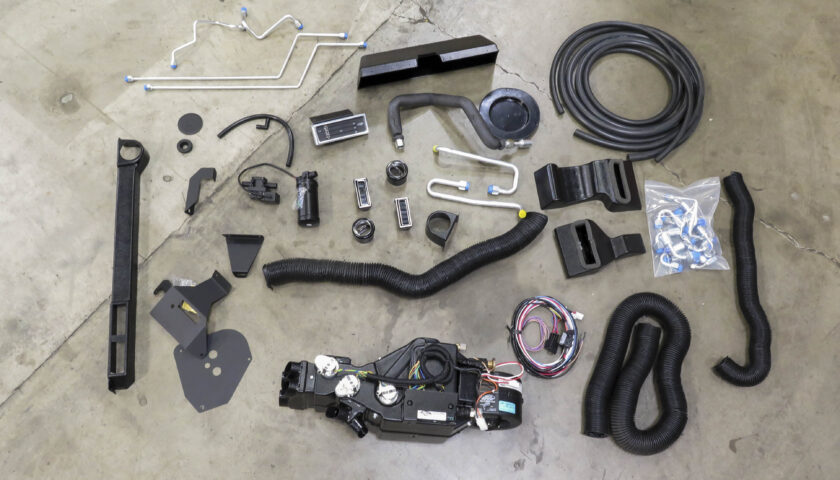
Here’s a look at everything that comes in a Gen IV SureFit kit from Vintage Air.
How to Install a Vintage Air A/C Kit in a ’67 Nova
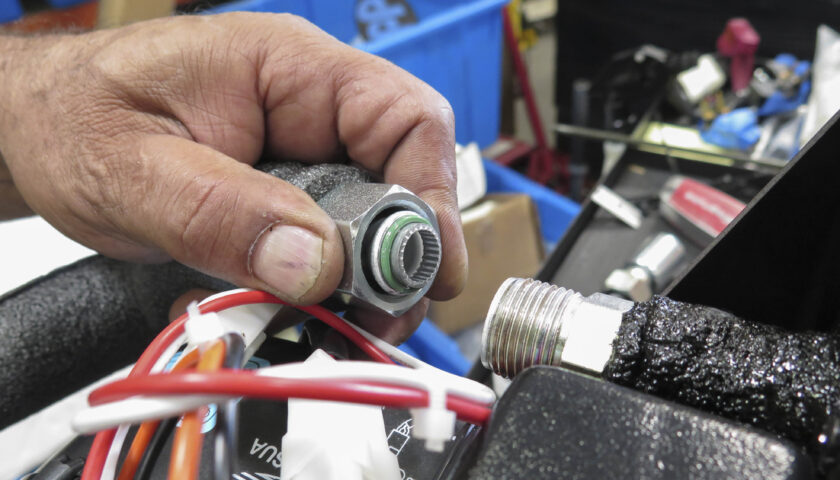
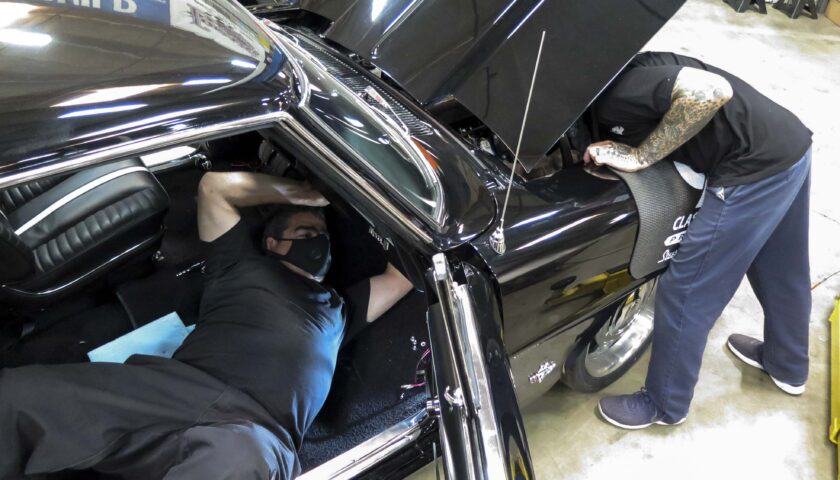
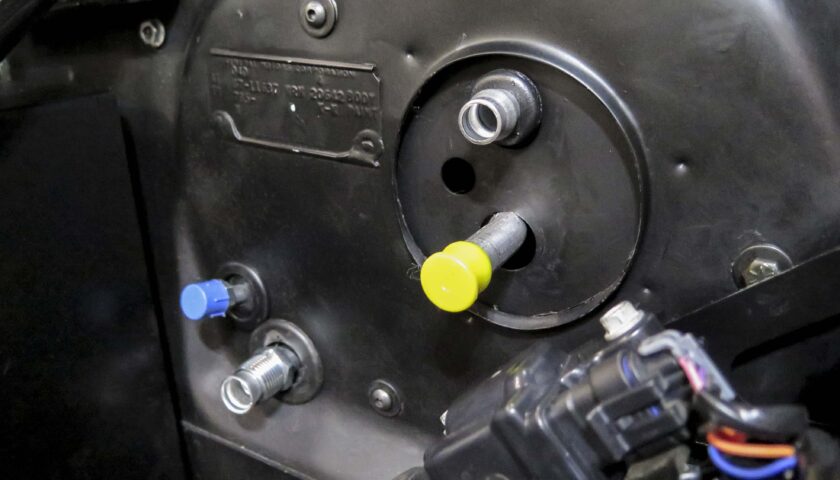
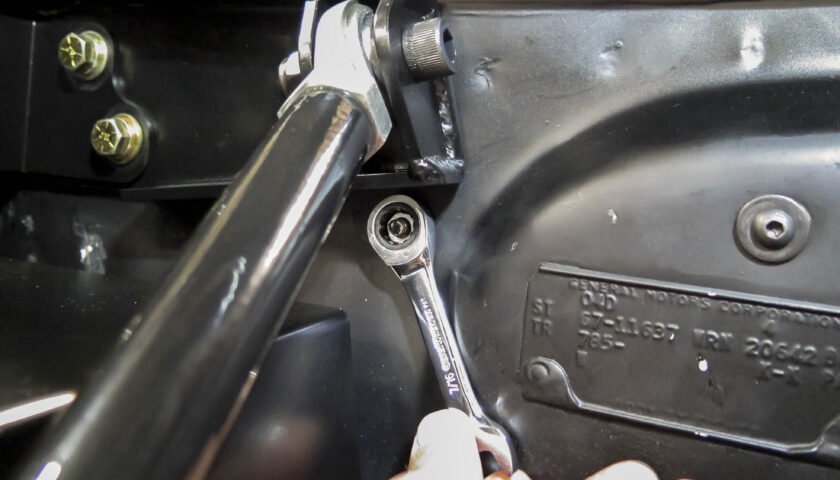
First up, we fitted the evaporator hardlines with the supplied O-rings.Installing the evaporator under the dash is a two-man job. Getting those hardlines lined up properly and through the firewall can be a challenge if you are by yourself.Rubber grommets are necessary to properly isolate the hardlines from rubbing on the holes in the firewall.On the engine side of the firewall, there is only one nut that needs to be tightened, the rest are under the dash inside the cabin.
Interior Vents and Controls
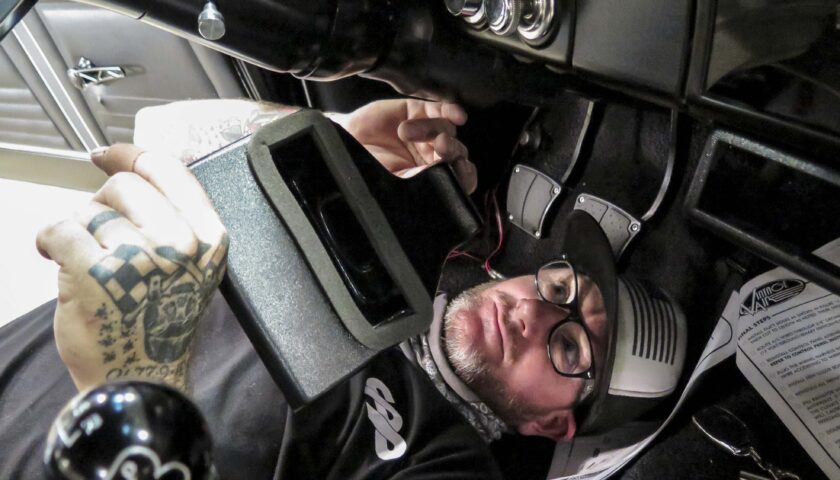
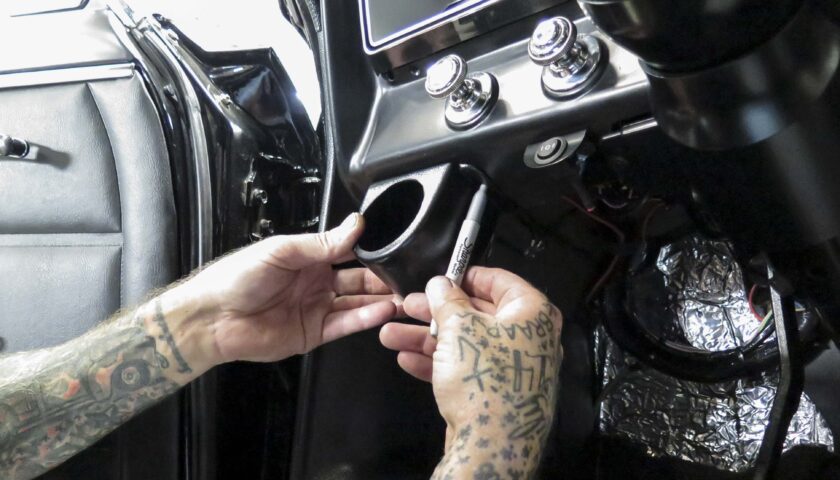
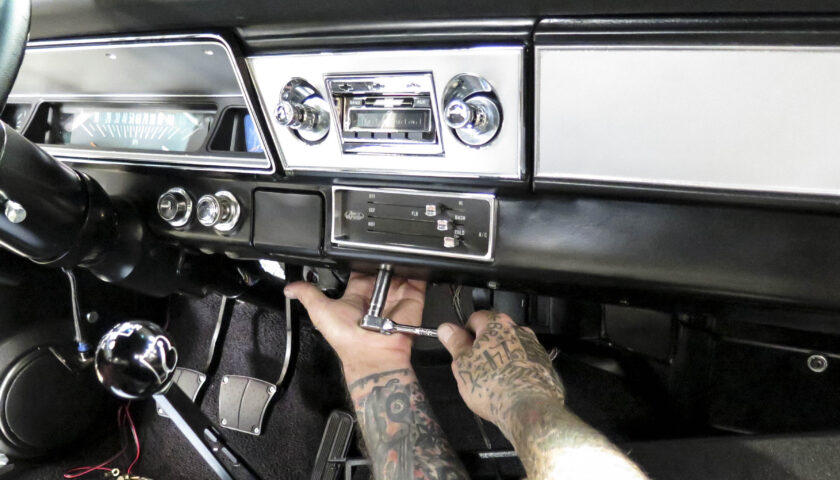
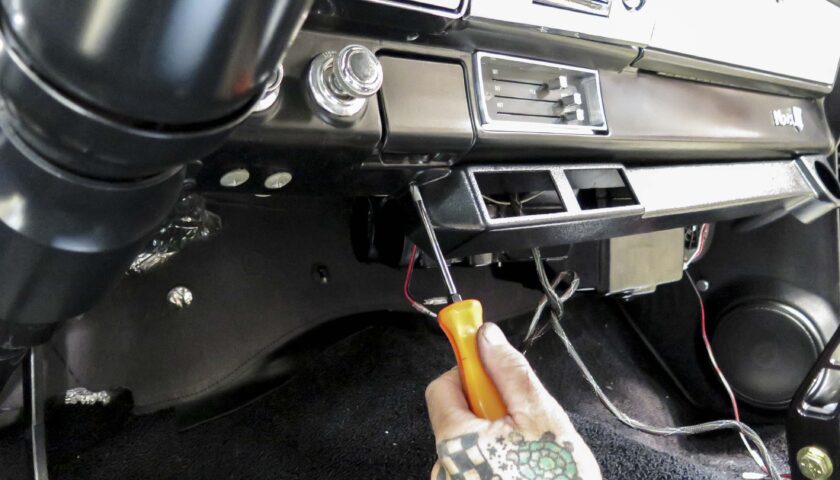
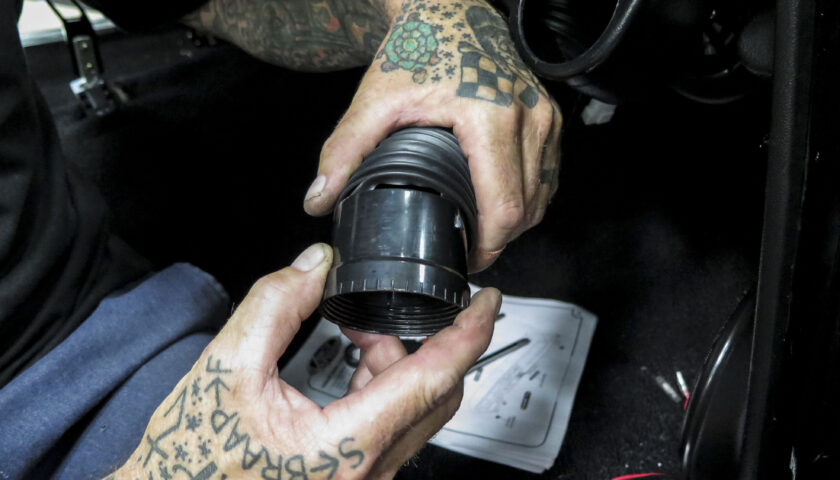
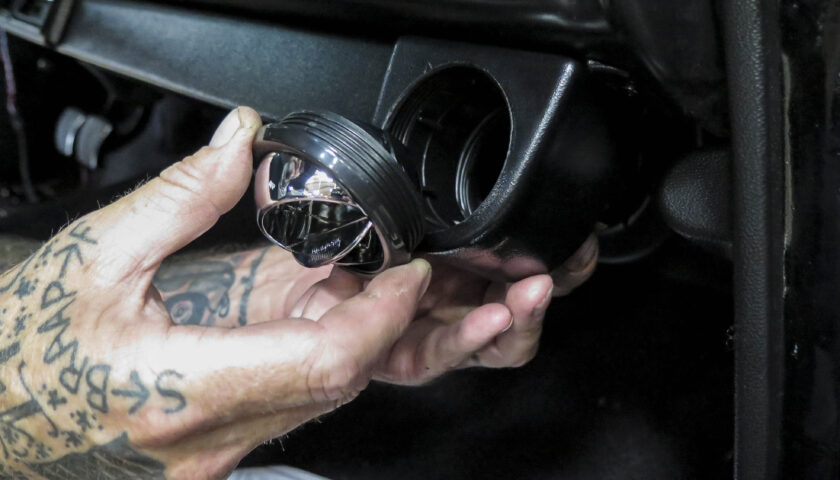
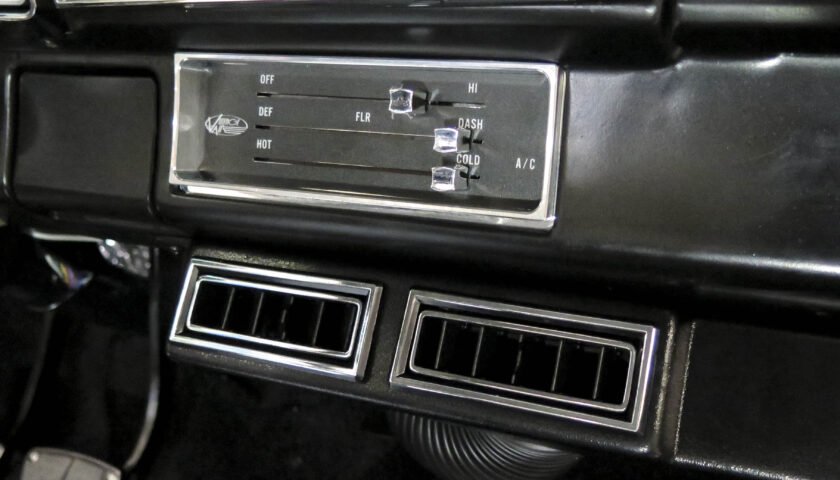
With the evaporator in place, we moved on to installing the defroster ducts. There will be one on the passenger side and one on the driver side The left and right ducts are two unique parts.Next we installed the driver’s side housing for the ball louver. Using a silver sharpie, we made marks for the two holes needed, then drilled, then used the supplied screws to secure it.Make sure to install the A/C control unit before securing the passenger side louver housing. The two bolts will be inaccessible once the housing is in place.Then, like the driver’s side, we marked and drilled the dash to install the passenger side louver housing assembly.It is a tight squeeze, but the ducting slides over the vent tube adapter for the louver ball.Then the louver ball goes on the outside of the housing and screws on to the vent tube adapter.With the A/C controls and center louvers installed, the end result is a clean and factory look.
Under the Hood
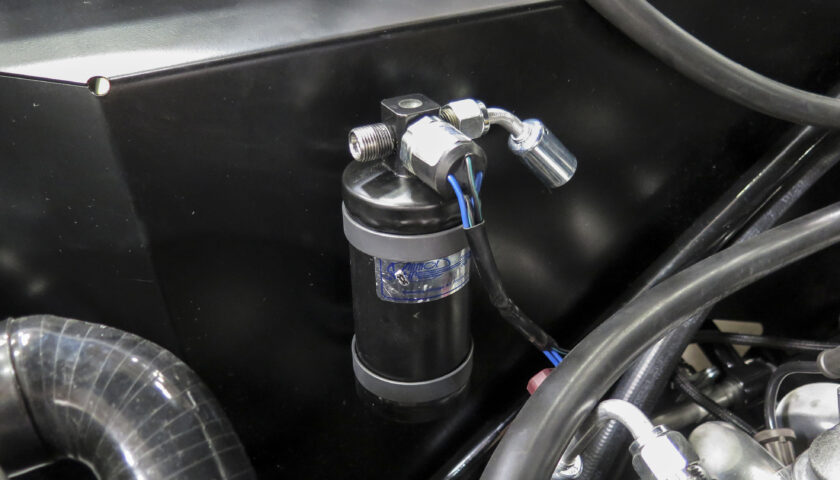
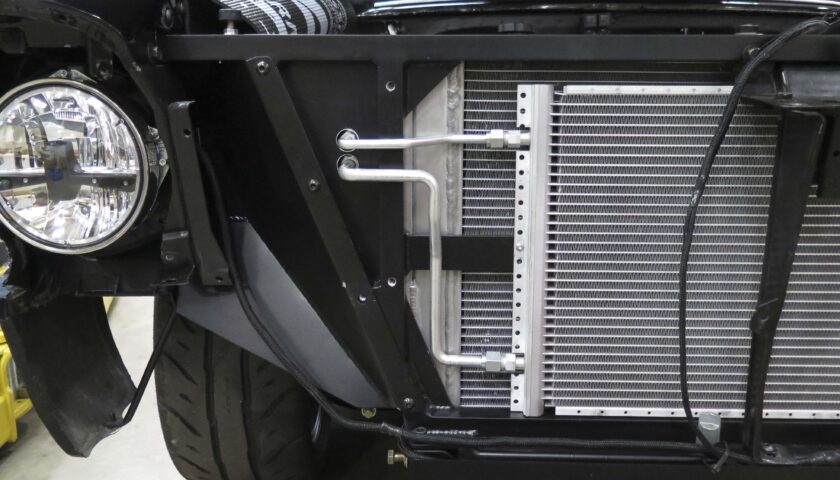
Moving back into the engine bay, we mounted the dryer with the trinary switch on the inner fender on the passenger side.In a stock vehicle, the supplied hardlines would work just fine. In our case, we had used an aftermarket radiator, condenser, core support, and inner fenders. So, we reached out to Vintage Air and had them make us a set of custom hardlines to fit our application (Click the link below to find out how you can too!)
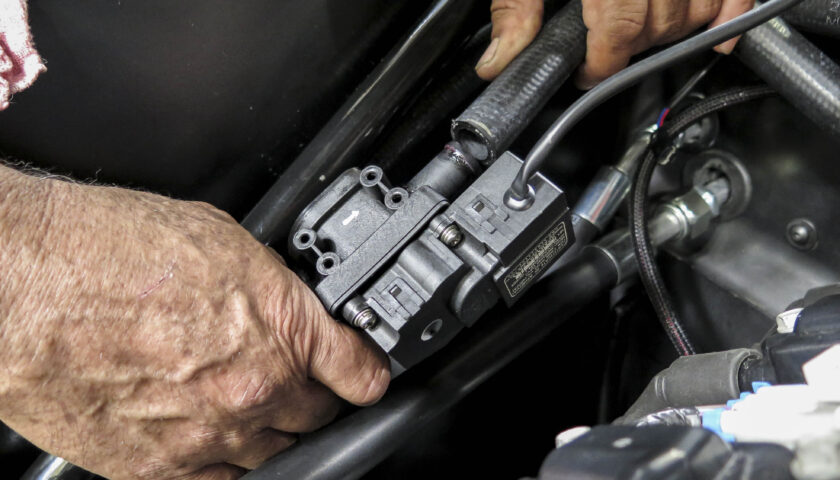
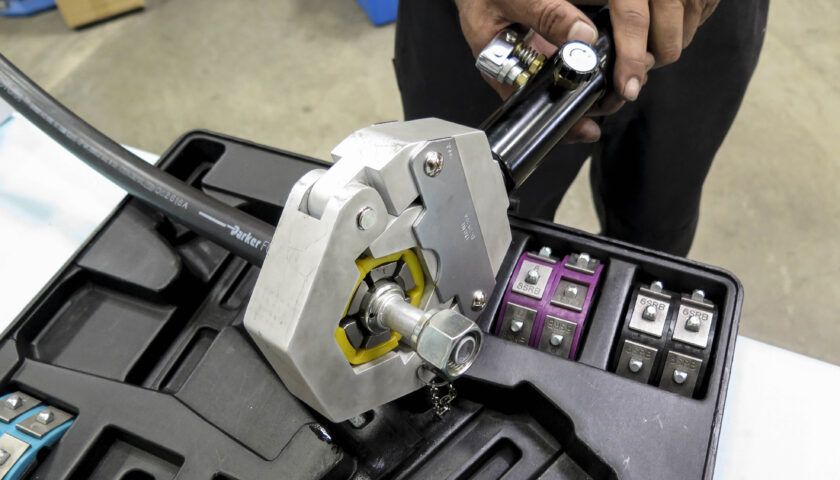
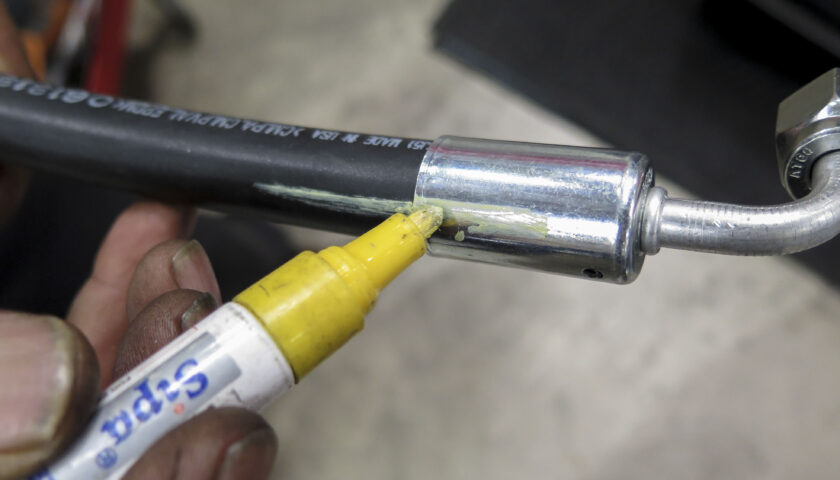
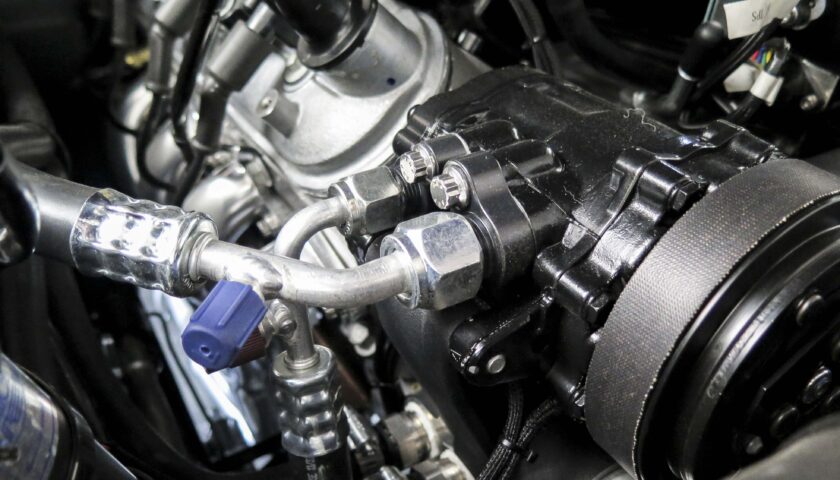
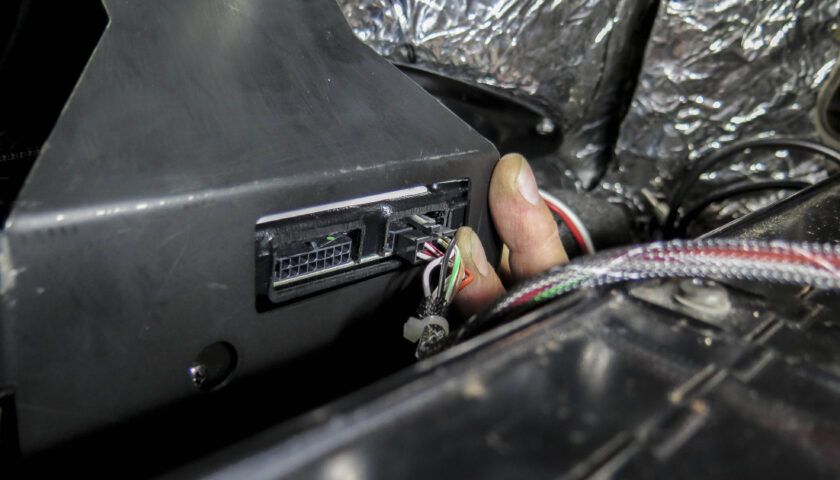
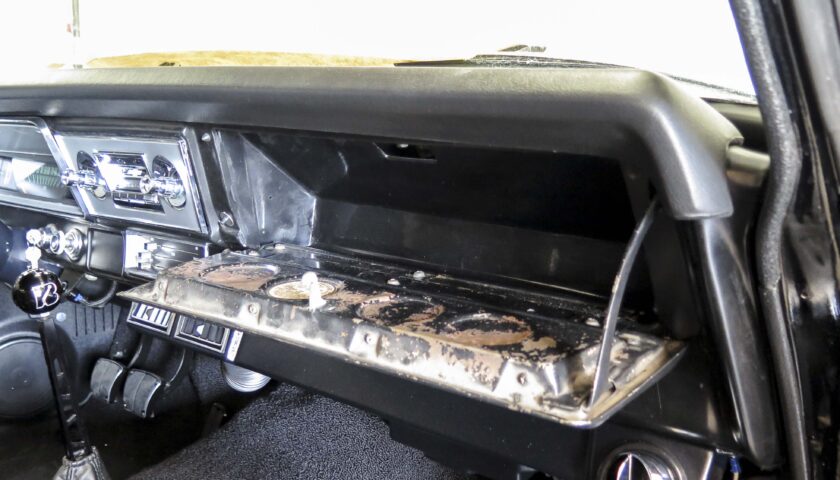
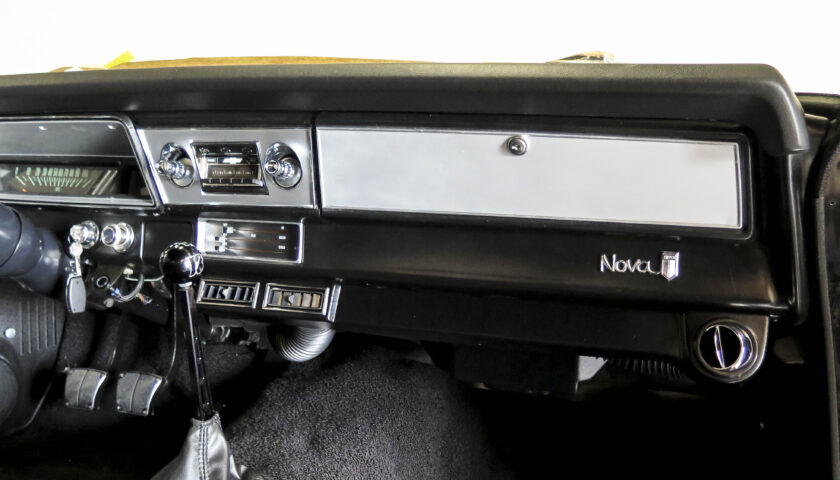
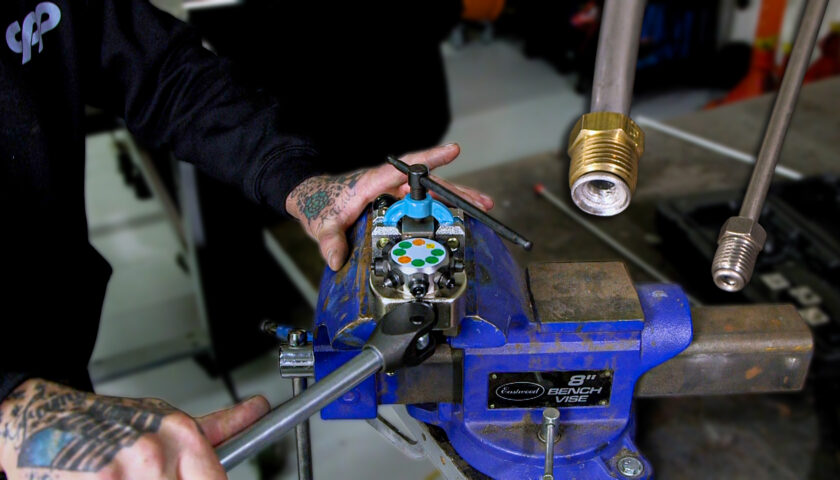
Then we installed the heater control valve. It uses push-lock style hoses, so no crimp fittings or hose clamps are needed.Next we used our A/C crimping tool—that we also bought from Vintage Air—to crimp our fittings to the rubber lines.It is important to note your desired orientation of the fittings before crimping. We made sure to make a mark on both the fitting and the rubber hose to ensure we had it clocked correctly.Then we installed all the hardlines and rubber lines from our Vintage Air A/C kit, including the service ports coming off the compressor.One of the final steps was the wiring. We pugged in the supplied wiring harness from the control panel to the condenser under the dash. The only other wiring that needs to be done is attaching the power wire to the starter.Once all the wiring is done you just need to install the inside glovebox piece supplied by Vintage Air.Here’s a look at the final product as seen from inside the cabin of our 1967 Nova. Pretty clean, right?
When you visit our website, we use First Party Strictly Necessary Cookies to make the site work as you expect it to and to support essential website functions, such as prompting the cookie banner, remembering your settings, logging into your account, and redirecting you when you log out.
We may also use non-essential cookies and similar technologies to collect information that might relate to you, your preferences, your device, or your website activity, and that information is mostly used to provide a more personalized web experience. However, these non-essential technologies are disabled unless and until you choose to opt in.
You can choose not to allow certain types of cookies, which may impact your experience of the site and the services we are able to offer. Click on the different category headings to find out more and change our default settings according to your preference. You cannot opt out of our First Party Strictly Necessary Cookies, as they are deployed in order to ensure the proper functioning of our website.
Alternatively, you may set your preferences within your browser to control how your browser accepts, removes, or blocks cookies.
For more information about the information we may collect, how we may use the information, and to whom we may disclose it, please review our Privacy Policy. For further clarification about your rights as a California consumer, please review our CA Privacy Notice.



[…] (See the full story here) […]